Latest Insights & Industry Guides
Insights • Strategy • Technology • Franchise • Sustainability
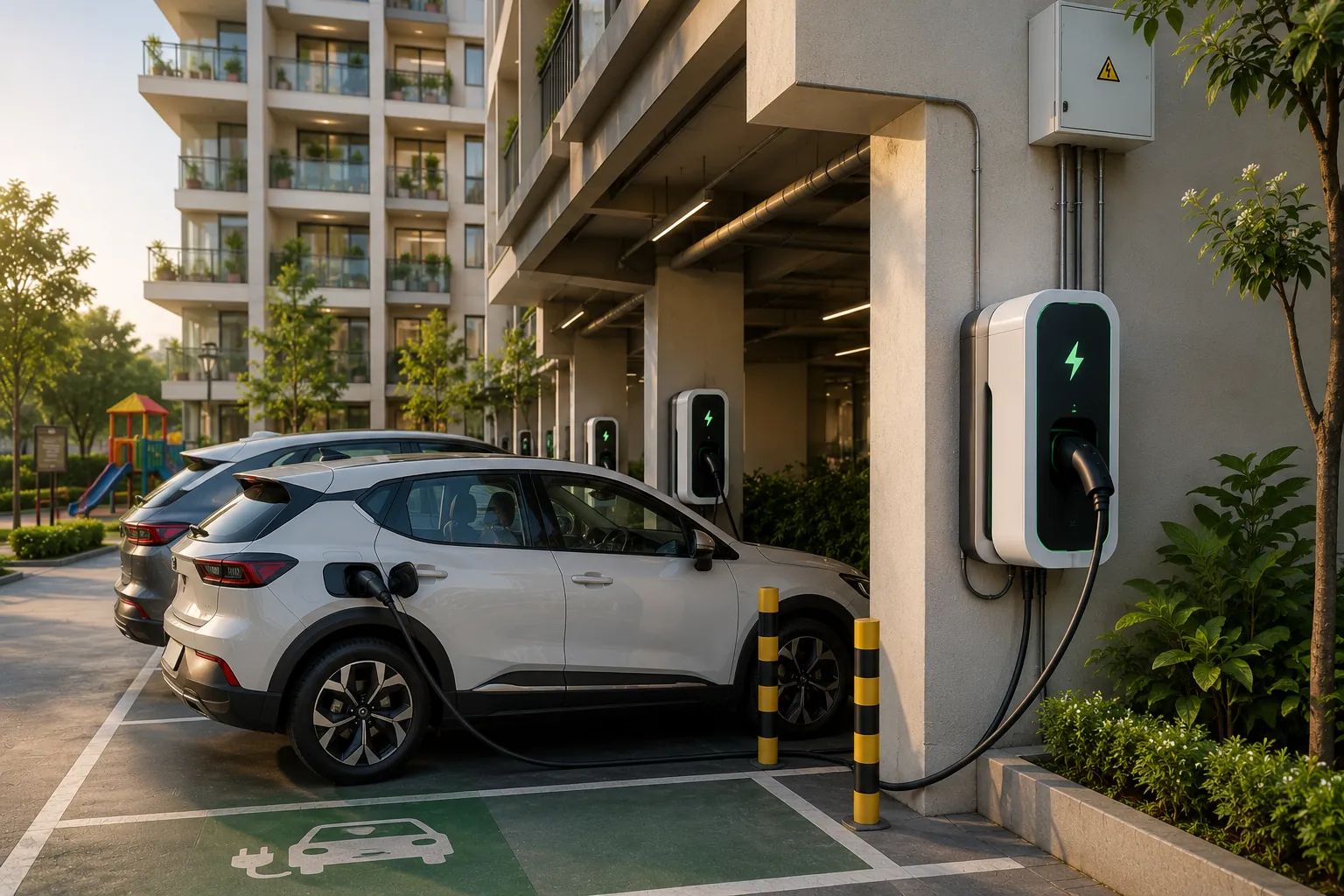
How to Install EV Charging Stations in Apartments in India: Costs, Permissions and Requirements
Topics Covered In This Blog
Can I install an EV charging station in my apartment parking space?
Maybe your apartment society hasn't installed EV charging infrastructure yet. Maybe your RWA hasn't established any charging guidelines. Or perhaps you're exploring the right charging solution before investing in an electric vehicle.
The good news is that installing EV charging stations in apartments is becoming more accessible across India. With suitable parking arrangements, necessary approvals and proper electrical infrastructure, apartment owners can set up convenient and safe home charging facilities instead of depending entirely on public charging stations.
At Relux Electric, we understand the growing need for reliable EV charging infrastructure across residential and commercial properties. In this guide, we'll walk you through everything you need to know about installing EV charging stations in apartments in Chennai, from permissions and charger selection to installation requirements, costs and common mistakes to avoid.
Can You Install an EV Charging Station in an Apartment?
Yes. Apartment residents can install an EV charger in their designated parking space, provided the parking area and electrical setup meet the required installation conditions.
Before getting started, check whether:
- You have a dedicated parking space for your electric vehicle.
- Approval from your Resident Welfare Association (RWA) or housing society is required.
- Your apartment's electrical capacity can support the proposed EV charger.
- Additional electrical load approval is needed from your local DISCOM.
- You can use your existing electricity connection or need a separate connection for EV charging.
Every apartment has different electrical and parking arrangements. A professional site assessment can help determine the right installation approach for your property.
Why Are EV Charging Stations Important for Apartments?
Most electric vehicles remain parked for several hours, particularly overnight. This makes residential charging a convenient option for people who use their vehicles regularly.
Installing charging facilities within apartment complexes offers several benefits.
Convenient Daily Charging: Residents can charge their electric vehicles while they are parked at home instead of making separate trips to public charging stations.
Reduced Charging Expenses: Home charging using the applicable domestic electricity tariff can be more economical than relying entirely on external charging facilities.
Better Residential Infrastructure: EV-ready apartments can attract buyers and tenants who own or plan to purchase electric vehicles.
Shared Charging Facilities: Housing societies can establish common charging points that multiple residents can access.
Future-Ready Communities: Properly planned electrical infrastructure allows apartments to accommodate increasing EV adoption without repeatedly redesigning their facilities.
Which EV Charging Solution Is Right for Your Apartment?
Choosing an EV charger depends on your vehicle type, parking availability, daily travel distance and charging needs. Relux Electric offers charging infrastructure options for different property requirements.
Wall-Mounted EV Chargers
Best suited for daily and overnight charging in apartments, villas and independent homes with dedicated parking. Relux Electric provides EV charging solutions designed to support convenient and reliable everyday charging.
Portable EV Chargers
Ideal for rental apartments, travel, backup charging or flexible home charging using a compatible power socket. These chargers offer greater flexibility without requiring a permanent installation.
Which One Should You Choose?
If you need flexibility for travel, rental homes or temporary charging, a portable EV charger may be the right choice. If you have dedicated parking and prefer a permanent charging setup, a wall-mounted charger may be more suitable.
Do You Need Permission to Install an EV Charger in an Apartment?
Permission and electricity connection requirements are important considerations before starting an installation.
India's Ministry of Power issued the Guidelines for Installation and Operation of Electric Vehicle Charging Infrastructure in September 2024. These guidelines include provisions for individual residential charging and community charging facilities.
Here are the main requirements.
a. Resident Welfare Association (RWA) Approval
If the installation involves common parking areas, shared electrical infrastructure or modifications to common property, coordinate with your Resident Welfare Association (RWA) or apartment management.
Residents installing private charging points in their designated parking spaces should also follow the applicable building and society procedures.
b. Electricity Connection from DISCOM
According to the 2024 guidelines, residents can use their existing electricity connection for home EV charging or request a separate metered connection with a dedicated EV charging tariff.
If the proposed charger requires more power than the existing sanctioned load, an application for additional electrical load may be necessary.
c. Electrical and Safety Compliance
The installation must follow applicable Central Electricity Authority (CEA) safety requirements and relevant technical standards.
Proper earthing, circuit protection, suitable cables and correctly rated equipment are essential for safe operation.
d. Local Requirements
Depending on the property and installation arrangement, additional building, fire safety or local authority requirements may apply. Check these with the relevant authorities before beginning the work.
EV Charging Station Installation Process
Installing an EV charger is a straightforward process when handled by qualified professionals.
a. Site Assessment
- Inspect the parking space and available installation area.
- Identify a suitable location for the charger.
b. Electrical Assessment
- Check the existing wiring, electrical panel and power supply.
- Identify whether additional electrical load is required.
c. Charger Installation
- Mount the selected charger securely near the parking space.
- Connect it to the electrical supply using suitable wiring.
d. Safety Testing
- Check electrical connections, earthing and protection systems.
- Test the charger to confirm safe operation.
e. App Setup
- Connect the charger to its companion mobile app, if supported.
- Configure charging settings and monitor usage.
Is EV Charging in Apartments Safe?
Yes. EV charging in apartments can be safe when the equipment is suitable, the electrical installation is properly designed and qualified professionals carry out the work.
Some important safety components include:
- MCB (Miniature Circuit Breaker): Helps protect electrical circuits against overloads and short circuits.
- RCD (Residual Current Device): Provides protection against certain electrical leakage faults.
- SPD (Surge Protection Device): Helps protect electrical equipment against voltage surges.
- Proper Earthing: Provides an essential electrical safety path.
- Suitable Cables: Correctly rated cables help prevent overheating and electrical failures.
- Certified installation by trained professionals.
The exact protection arrangement should be determined by a qualified electrical professional according to the charger specifications and applicable standards.
Avoid temporary wiring, unsuitable extension cords and DIY electrical connections.
Common Mistakes to Avoid When Installing an EV Charger in an Apartment
A few installation mistakes can create unnecessary expenses and safety concerns.
a. Choosing a Charger Only Based on Price
A low-cost charger may not meet your vehicle's requirements or the property's electrical specifications.
b. Ignoring Electrical Load
Installing equipment without checking available power capacity can lead to overload issues and additional upgrade expenses.
c. Not Discussing the Installation with the Association
Changes involving shared infrastructure should be discussed with apartment management before work begins.
a. Poor Charger Placement
Installing a charger too far from the parking space can increase cable requirements and installation complexity.
b. Ignoring Future Demand
Housing societies should consider the possibility of additional EV users when planning shared electrical infrastructure.
c. Hiring Unqualified Installers
Professional installation is important for electrical safety, correct equipment operation and long-term reliability.
Ready to Install EV Charging Stations in Your Apartment?
As more residents switch to electric vehicles, having reliable residential charging infrastructure is becoming an important part of modern apartment living.
From individual parking chargers to shared charging facilities, the right installation plan can make everyday EV charging more convenient, safe and accessible.
Relux Electric provides EV charging infrastructure solutions for residential and commercial requirements. With experience in EV charging installations and a growing presence across India, Relux supports the development of reliable and scalable charging networks.
Whether you are an apartment association, property developer or business looking to establish charging facilities, explore suitable EV infrastructure solutions with Relux Electric.
Make your property EV-ready with Relux Electric.
Frequently Asked Questions
1. Can I install an EV charger in my apartment parking space?
Yes. India's 2024 EV charging guidelines allow residents to install private charging points in their designated parking spaces, subject to applicable electrical and safety requirements.
2. How much does it cost to install an EV charger in an apartment?
The cost depends on charger capacity, equipment selection, electrical wiring, installation work and additional power requirements. A site assessment is necessary to determine the actual price.
3. Do apartment associations need DISCOM approval for EV charging?
If a new electricity connection or additional sanctioned load is required, residents or the housing society must coordinate with the local DISCOM. Existing connections may also be used where the available sanctioned load is sufficient.
4. Can apartment residents share one EV charging station?
Yes. Housing societies can establish community charging facilities based on residents' requirements. Smart charging and consumption monitoring can help manage shared usage.
5. Which EV charger is best for apartment use?
AC wall-mounted chargers are commonly suitable for regular residential charging. The appropriate charger depends on the vehicle, parking arrangement, electrical capacity and charging requirements.
6. Is overnight EV charging safe in apartments?
Yes. Overnight charging is suitable when the charger and electrical installation meet applicable safety requirements and the equipment is installed by qualified professionals.
7. Can an apartment install multiple EV charging stations?
Yes. Apartment associations can plan multiple charging points based on available electrical capacity, resident demand and the applicable installation requirements.
Your EV Charging Business Deserves a Partner Who Shows Up Every Single Day
At Relux Electric, we build reliable, high-uptime charging hubs with turnkey execution, smart CMS software, and full operational support across India.
Start Your Franchise Today