Latest Insights & Industry Guides
Insights • Strategy • Technology • Franchise • Sustainability
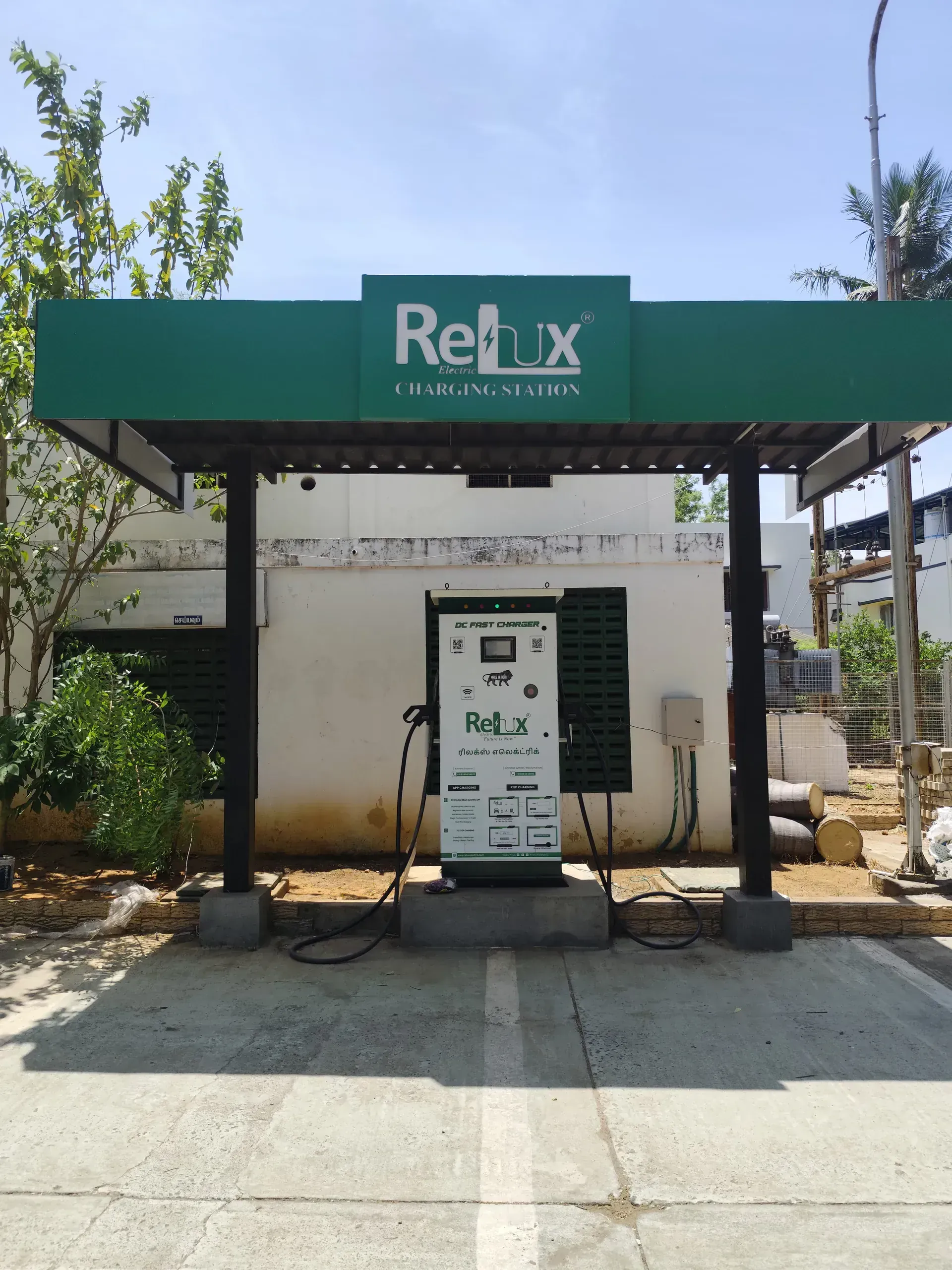
Relux's Charger as a Service (CaaS): Lease an EV Charger and Retain Charging Revenue
Setting up an EV charging facility involves investment in charging equipment, electrical infrastructure, and installation. For property owners interested in entering the electric mobility sector, purchasing a charger outright may require significant initial expenditure. Charger leasing offers an alternative, allowing them to explore this business without buying the equipment at the beginning. Relux Electric's Charger as a Service (CaaS) model follows this approach. The property owner provides the location, electricity connection, and required civil infrastructure, while Relux supplies the charging equipment and agreed technical services. The owner retains charging revenue during the lease period and pays the agreed equipment rental. Ownership of the charger transfers to the owner after the lease tenure, subject to the contract.
Topics Covered In This Blog
Understanding the Charger as a Service Model
Charger as a Service is an arrangement in which a property owner leases EV charging equipment rather than purchasing it upfront. The agreement defines the responsibilities of both parties, the rental terms, and the conditions governing the use of the equipment.
For property owners, this model provides a way to explore an EV charging business while receiving technical assistance from the provider. Instead of independently sourcing every component, the owner works with Relux to establish a facility based on the property's suitability and the agreed scope of services.
The process generally involves several stages:
- Location evaluation: The proposed property is reviewed to determine whether its space, access, and infrastructure are suitable for installation.
- Infrastructure preparation: The property owner arranges the electricity connection and necessary civil work.
- Equipment installation: Relux supplies the agreed charging equipment and canopy and carries out installation according to the project scope.
- Commercial operation: Once the facility is ready to operate, customers can use the charging service, and the owner retains charging revenue under the agreed arrangement.
- Ownership transfer: At the end of the lease tenure, the charger transfers to the property owner according to the contractual conditions.
The exact process, equipment specifications, and responsibilities should be confirmed with Relux before the project begins.
Responsibilities of the Property Owner and Relux Electric
A successful installation depends on both parties understanding their obligations before work starts. The property owner provides the site and essential infrastructure, while Relux handles the equipment and services specified in the CaaS agreement.
The property owner's responsibilities
The owner must have the right to use the proposed property for the intended purpose and make the necessary space available. The site must also have a feasible route to obtaining the required electricity supply.
The owner's responsibilities include:
- Providing suitable land or parking space.
- Arranging the electricity connection and paying applicable electricity charges.
- Completing the required civil infrastructure work.
- Providing accurate property details for the initial evaluation.
- Meeting any additional site-related obligations specified in the agreement.
Relux Electric's responsibilities
Relux provides the charging equipment and agreed technical services needed for the project. Depending on the contract, its scope may include:
- EV charger and canopy.
- Charger installation and maintenance.
- Charging software and backend systems.
- Customer support.
- Social media optimisation.
- Ongoing technology and operational assistance.
Not every service should be assumed to be included automatically. Confirm the maintenance coverage, support availability, exclusions, and any additional charges with Relux before signing.
Planning Revenue and Operating Costs
The financial performance of an EV charging station depends on customer demand, electricity consumption, rental commitments, and operating expenses. Retaining charging revenue does not automatically guarantee a profit; the income must be sufficient to cover the costs associated with running the facility.
Before committing to the arrangement, estimate how many customers may use the site and how much electricity they could purchase. Nearby commercial establishments, travel routes, parking activity, and existing charging facilities can help inform these estimates. However, actual usage will depend on customer behaviour and local demand.
Your financial assessment should account for the following factors:
- Charging utilisation: The expected number of sessions and electricity units sold.
- Electricity expenditure: The applicable tariff and total consumption.
- Equipment rental: The payment agreed with Relux for the lease.
- Additional operating costs: Property expenses and other charges associated with the facility.
- Service interruptions: Potential revenue loss when the charger is unavailable.
Prepare a monthly projection using conservative, realistic demand estimates. Compare the expected income against the total estimated expenses and consider how the business would perform if usage were lower than anticipated.
The rental amount, payment schedule, charging revenue arrangements, and responsibility for different expenses should be clearly documented. This gives you a more reliable basis for evaluating the commercial feasibility of the proposed EV charging business.
Charger Ownership and Lease Conditions
An important feature of Relux's CaaS model is the planned transfer of charger ownership after the agreed lease tenure, subject to the contract. This provides a defined route from leasing the equipment to owning it.
However, the transfer process should not be left open to interpretation. The lease agreement needs to specify the tenure, applicable payment obligations, and conditions that must be fulfilled before ownership changes. It should also explain how the arrangement handles any outstanding dues or contractual issues.
Maintenance and technology services deserve particular attention. Equipment ownership and ongoing service coverage are separate matters, so the agreement should clarify which services continue after the transfer and whether a separate support arrangement is available.
Before signing, review the following details:
- Lease duration and payment schedule.
- Conditions and timing for transferring ownership.
- Outstanding payments or other obligations.
- Responsibility for repairs and maintenance during the lease.
- Availability and cost of technical support after ownership transfer.
Understanding these terms helps property owners plan for the full lifecycle of the charging equipment rather than focusing only on the initial setup.
Evaluating the Property for EV Charging
A suitable location is an important starting point for establishing a charging facility. Relux assesses each proposed site to determine whether it can accommodate the installation and meet the requirements of the intended project.
The evaluation may consider the available parking area, vehicle entry and exit, electrical capacity, installation space, and practical access for customers. The property's surroundings may also provide useful indications of potential demand.
For example, a property near a highway may attract travellers who need to charge during a journey. A location near offices or commercial establishments may serve employees, visitors, and local customers. Residential areas may have a different pattern of charging demand.
These examples are not guarantees of business performance. The site's infrastructure and practical installation requirements must also be considered, and the final decision rests with Relux following its assessment.
Property owners should therefore avoid assuming that every available plot or parking area will qualify. Approval depends on the location's suitability and the requirements of the proposed installation.
Preparing for the Site Assessment
Accurate property information helps Relux understand the proposed location and decide whether it is appropriate for further evaluation. Preparing these details in advance can make the initial review more straightforward.
Before submitting an enquiry, gather:
- Property address: The complete location details for identifying the site.
- Available area: An approximate measurement of the space that could be used for the charging facility.
- Site photographs: Recent images showing the premises, parking area, and vehicle access points.
- Electricity details: Information about the existing connection and available power capacity, if known.
- Surrounding landmarks: Nearby roads, commercial establishments, or other relevant features.
Provide accurate information wherever possible. If some electrical or infrastructure details are unavailable, indicate this rather than estimating them without confirmation.
After receiving the details, Relux can review the proposal and advise whether further evaluation is appropriate. Additional information or an on-site inspection may be needed before the location receives final approval.
Exploring Charger as a Service with Relux Electric
Relux Electric's Charger as a Service model offers property owners an alternative to purchasing EV charging equipment at the outset. It combines a leasing arrangement with agreed equipment and technical services, while allowing the owner to retain charging revenue during the lease period.
The suitability of this model depends on the property, the owner's ability to arrange the required infrastructure, and the financial and contractual terms. Reviewing these factors before proceeding can help establish whether the arrangement aligns with your business objectives.
Have a location in mind?
Visit Relux Electric to enquire about its Charger as a Service offering. Submit your property details for an eligibility review and discuss the applicable requirements, responsibilities, and lease conditions with the team.
FAQs
1. What is EV Charger as a Service (CaaS)?
EV Charger as a Service (CaaS) is a model that allows businesses or property owners to access EV charging infrastructure without purchasing the equipment outright.
2. How does Relux Electric's CaaS model work?
Relux Electric's CaaS model allows property owners to provide suitable space while Relux manages the charging infrastructure, subject to the agreed terms.
3. Can I earn revenue by leasing an EV charger?
Yes, a CaaS arrangement may allow property owners to earn charging revenue, depending on the agreement and applicable commercial terms.
4. Who can benefit from EV Charger as a Service?
Property owners, commercial establishments, and businesses with suitable space may benefit from a CaaS model.
5. Do I need to purchase an EV charger under the CaaS model?
Not necessarily. Depending on the agreement, the service provider may supply and manage the charging equipment, reducing the need for an upfront equipment purchase.
Your EV Charging Business Deserves a Partner Who Shows Up Every Single Day
At Relux Electric, we build reliable, high-uptime charging hubs with turnkey execution, smart CMS software, and full operational support across India.
Start Your Franchise Today